
Partial Lunar Eclipse September 7, 2025: Photography Guide
On September 7, 2025, the Harvest Moon will experience a partial lunar eclipse visible across Europe, Africa, Asia, and Australia. Learn how to photograph this spectacular celestial event with perfect timing and camera settings.
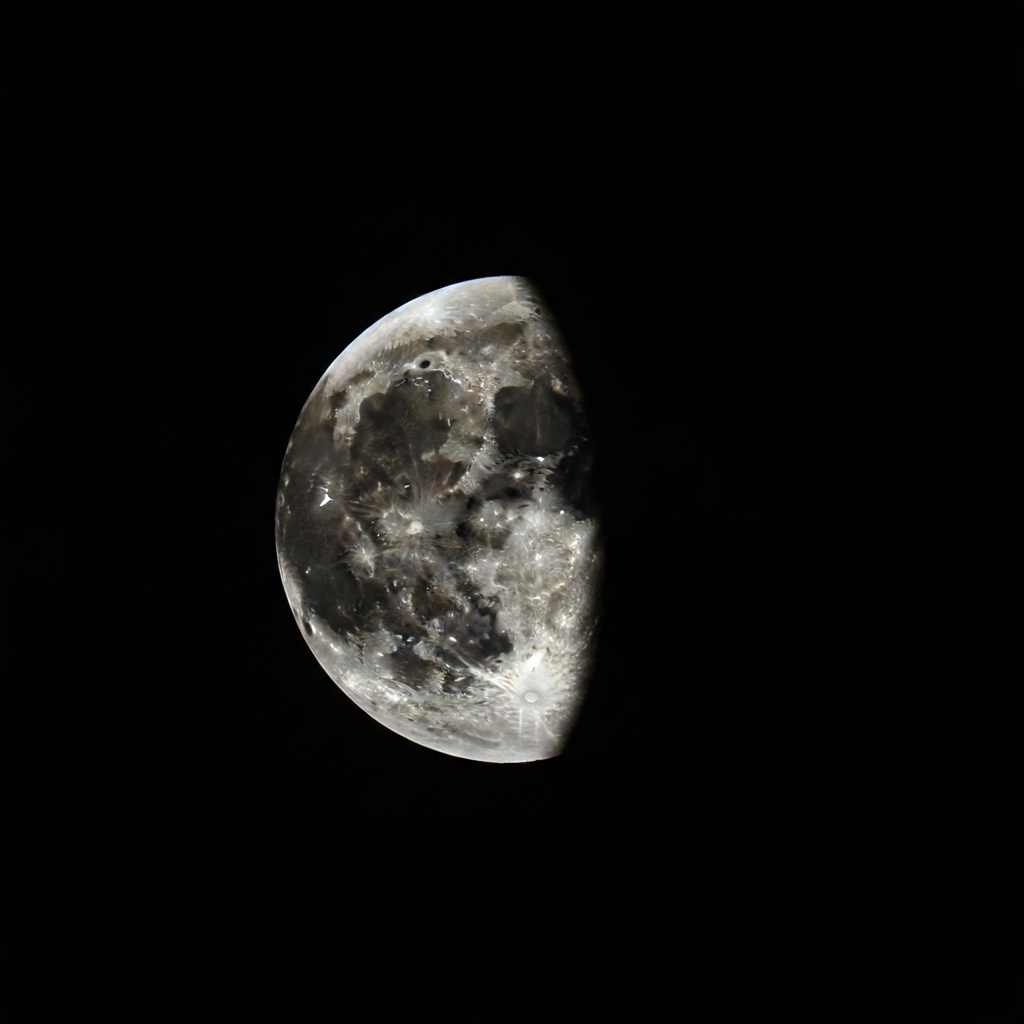
What is a Partial Lunar Eclipse?
A partial lunar eclipse occurs when Earth passes between the Sun and Moon, casting its shadow on part of the lunar surface. Unlike a total lunar eclipse, only a portion of the Moon enters Earth's umbra (the darkest part of the shadow), creating a dramatic bite-shaped shadow across the Moon.
During the September 7, 2025 eclipse, approximately 8.4% of the Moon's diameter will be covered by Earth's umbra, creating a subtle but noticeable darkening and reddish coloration on the affected portion of the lunar surface.
Eclipse Timing and Phases
September 7, 2025 Eclipse Timeline (UTC):
Eclipse Duration:
- Total Duration: 3 hours 3 minutes (penumbral phase)
- Partial Phase: 1 hour 29 minutes
- Maximum Coverage: 8.4% of Moon's diameter
Visibility and Geographic Coverage
The September 7, 2025 partial lunar eclipse will be visible from a large portion of the Eastern Hemisphere, offering excellent viewing opportunities for millions of observers.
Full Visibility
- • Europe (entire continent)
- • Africa (entire continent)
- • Asia (most regions)
- • Australia (entire continent)
- • Middle East
- • Indian Ocean region
Partial Visibility
- • Eastern North America (moonrise during eclipse)
- • Western Asia (moonset during eclipse)
- • Eastern South America (partial visibility)
- • Antarctica (limited regions)
Local Timing Conversion:
Convert the UTC times above to your local time zone. The eclipse will be best viewed when the Moon is high in the sky during the partial phase (17:27 - 18:56 UTC).
Example: In London (BST), maximum eclipse occurs at 19:11 local time, perfect for evening viewing.
Photography Equipment and Settings
Recommended Camera Settings:
Before Eclipse (Bright Moon):
- • ISO: 100-400
- • Aperture: f/8-f/11
- • Shutter: 1/125 - 1/250s
- • Focus: Manual to infinity
- • White Balance: Daylight
During Eclipse (Dimmed Moon):
- • ISO: 800-3200
- • Aperture: f/5.6-f/8
- • Shutter: 1-4 seconds
- • Focus: Manual (don't change)
- • White Balance: Tungsten/Warm
Essential Equipment:
- • DSLR or mirrorless camera
- • Telephoto lens (200-600mm)
- • Sturdy tripod
- • Remote shutter release
- • Extra batteries
- • Fast memory cards
Optional Gear:
- • Teleconverter (1.4x or 2x)
- • Wide-angle lens for landscape shots
- • Red flashlight
- • Folding chair
- • Weather protection
- • Smartphone with eclipse app
Photography Techniques
Close-up Moon Photography
Use a telephoto lens (400mm+) to capture detailed shots of the eclipse progression. Take shots every 5-10 minutes to document the shadow's movement across the lunar surface.
Tip: Use live view and zoom in to achieve precise manual focus on lunar craters.
Eclipse Sequence Composite
Create a composite image showing the eclipse progression by taking photos at regular intervals and combining them in post-processing. This creates a stunning visual timeline of the event.
Technique: Keep your camera in the exact same position and use identical framing for each shot.
Landscape Eclipse Photography
Include foreground elements like landmarks, trees, or buildings to create context and scale. Use a wide-angle lens and focus stack if necessary to keep both foreground and moon sharp.
Planning: Scout locations in advance and use apps to predict the moon's position relative to your foreground.
Weather and Location Planning
Clear skies are essential for eclipse photography. Start monitoring weather forecasts at least a week before the event and have backup locations ready.
Location Selection Criteria:
- Clear Eastern Sky: The moon will be in the eastern sky during the eclipse
- Minimal Light Pollution: Darker locations provide better contrast and color
- High Elevation: Mountains or hills offer clearer atmospheric conditions
- Safe Access: Choose locations that are safe to access in the evening
- Weather Backup: Have multiple locations within driving distance
The eclipse occurs during the Harvest Moon, which will be quite bright even during the partial phase. This makes it visible even from urban areas, though rural locations will provide better photographic opportunities.
Post-Processing Tips
Eclipse photography often requires careful post-processing to bring out the subtle details and colors of the event:
- Highlight Recovery: Use graduated adjustments to balance the bright and shadowed portions of the moon
- Color Enhancement: Carefully enhance the reddish tones in the eclipsed portion without oversaturating
- Noise Reduction: Apply noise reduction to higher ISO shots while preserving lunar surface details
- Sharpening: Use masking to sharpen only the lunar surface, not the dark sky
- Sequence Alignment: Use Photoshop's auto-align layers for creating composite sequences
Color Grading Tips:
The eclipsed portion of the moon often appears copper-red due to Earth's atmosphere refracting sunlight. Enhance these warm tones subtly while maintaining the natural silver-white color of the uneclipsed portion.
Safety and Viewing Tips
Unlike solar eclipses, lunar eclipses are completely safe to view with the naked eye, binoculars, or telescopes. No special filters are required.
Viewing Safety:
- • No eye protection needed
- • Safe to view directly
- • Binoculars enhance the experience
- • Telescopes show surface details
- • Photography is completely safe
Comfort Tips:
- • Dress warmly for evening viewing
- • Bring a reclining chair
- • Use red flashlight to preserve night vision
- • Have snacks and warm drinks
- • Invite friends and family to share the experience
Get Eclipse Alerts & Timing
Never miss a lunar eclipse with precise timing alerts, visibility maps, and photography tips from Solora
Download Solora App