
Perseid Meteor Shower 2025: Complete Photography Guide
The Perseid meteor shower is one of the most spectacular celestial events of the year. Learn everything you need to know about capturing the 2025 Perseid meteor shower, from peak dates to camera settings.
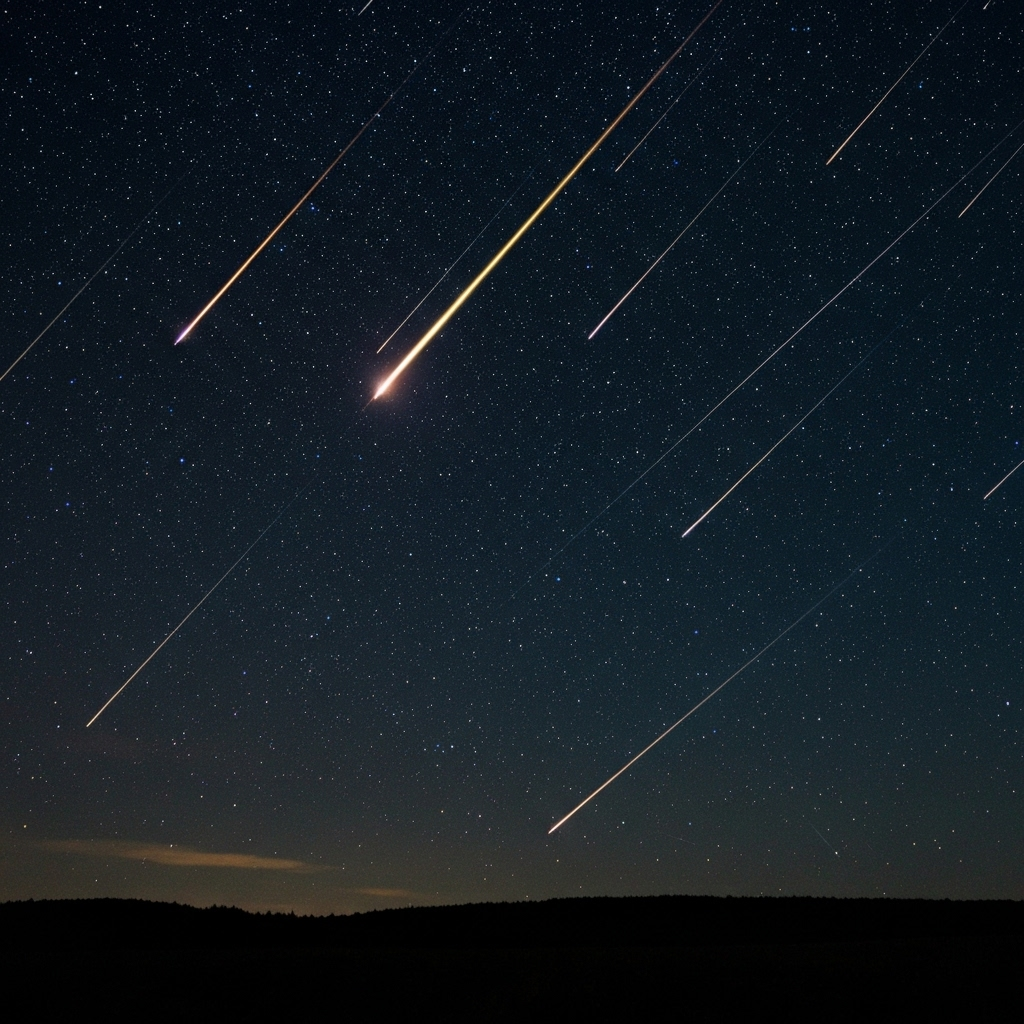
What Are the Perseid Meteors?
The Perseid meteor shower occurs annually when Earth passes through the debris trail left by Comet Swift-Tuttle. These tiny particles, most no larger than grains of sand, burn up in our atmosphere creating brilliant streaks of light across the night sky.
Named after the constellation Perseus, from which they appear to radiate, the Perseids are known for their fast, bright meteors and occasional spectacular fireballs. They're considered one of the best meteor showers for both beginners and experienced observers.
Perseid Meteor Shower 2025 Dates
Key Dates for 2025:
July 17 - August 24, 2025
August 12-13, 2025
3:00 AM - 5:00 AM local time
60-100 meteors per hour
2025 Viewing Conditions:
The 2025 Perseid peak occurs during a waning gibbous moon (about 79% illuminated), which will set around 3:00 AM local time. This means the best viewing will be in the pre-dawn hours when the sky is darkest.
Best viewing window: 3:00 AM - 5:30 AM on August 13, 2025
Where and When to Look
The Perseid radiant (the point from which meteors appear to originate) is located in the constellation Perseus, which rises in the northeast around 10 PM in mid-August.
Optimal Viewing Strategy:
- Direction: Look northeast, but don't stare directly at Perseus - meteors appear throughout the sky
- Best Time: After midnight, with peak activity between 3-5 AM
- Duration: Plan for at least 2-3 hours of observation
- Patience: Allow 20-30 minutes for your eyes to fully adapt to darkness
While the radiant is in Perseus, meteors can appear anywhere in the sky. The further from the radiant, the longer the meteor trails will appear. This makes wide-field photography particularly effective for capturing multiple meteors.
Photography Techniques
Camera Settings for Meteor Photography:
Basic Settings:
- • ISO: 1600-6400
- • Aperture: f/2.8 or wider
- • Shutter: 15-30 seconds
- • Focus: Manual to infinity
- • Format: RAW
Advanced Techniques:
- • Use intervalometer for continuous shooting
- • Take 100-300 shots during peak hours
- • Consider focus stacking for foreground
- • Shoot multiple compositions
- • Monitor battery levels closely
Single Exposure Method
Take continuous 20-30 second exposures throughout the night. This method captures meteors as they occur and allows for easy selection of the best shots.
Composite Method
Combine multiple exposures in post-processing to show many meteors in a single image. Use "lighten" blend mode to merge meteor trails.
Essential Equipment
Must-Have Gear:
- • DSLR or mirrorless camera
- • Wide-angle lens (14-24mm)
- • Sturdy tripod
- • Intervalometer or built-in timer
- • Extra batteries (cold drains them)
- • Memory cards with fast write speeds
Comfort Items:
- • Reclining chair or blanket
- • Red flashlight (preserves night vision)
- • Warm clothing and blankets
- • Thermos with hot drinks
- • Snacks for long sessions
- • Star chart or astronomy app
Best Locations for Viewing
Dark sky locations away from city lights provide the best meteor viewing experience. Here's what to look for:
- Dark Sky Sites: International Dark-Sky Association certified locations offer optimal conditions
- High Elevation: Mountains and hills provide clearer skies and less atmospheric interference
- Open Horizons: Avoid locations with trees, buildings, or mountains blocking the sky
- Safety First: Choose safe, legal locations with easy access and cell coverage
Location Planning Tips:
Scout locations during daylight hours. Check weather forecasts up to a week in advance, and have backup locations ready. Consider the moon's position and how it will affect your chosen composition.
Weather Considerations
Weather can make or break your meteor shower experience. Here's what to monitor:
Ideal Conditions:
- • Clear skies (less than 20% cloud cover)
- • Low humidity
- • Stable atmospheric conditions
- • Light winds
- • Good visibility (10+ miles)
What to Avoid:
- • Overcast or cloudy skies
- • High humidity or haze
- • Thunderstorms or precipitation
- • Strong winds (camera shake)
- • Temperature inversions
Post-Processing Tips
Processing meteor shower photos requires specific techniques to bring out the best in your captures:
- Noise Reduction: Use tools like DxO, Topaz, or Lightroom's noise reduction for high ISO shots
- Meteor Enhancement: Carefully increase contrast and clarity on meteor trails
- Sky Processing: Enhance the Milky Way and stars without overdoing it
- Composite Creation: Use Photoshop's "lighten" blend mode to combine multiple meteors
- Color Grading: Enhance the natural colors of meteors (often green, blue, or orange)
Never Miss a Meteor Shower
Get alerts for peak meteor shower times, weather forecasts, and optimal viewing conditions with Solora
Download Solora App