
Perseid Meteor Shower 2026: Peak Dates, Moon Conditions, and Camera Settings
Plan the Perseid meteor shower for August 2026 with peak-night timing, moon-condition strategy, dark-sky planning, and camera settings for better meteor photos.
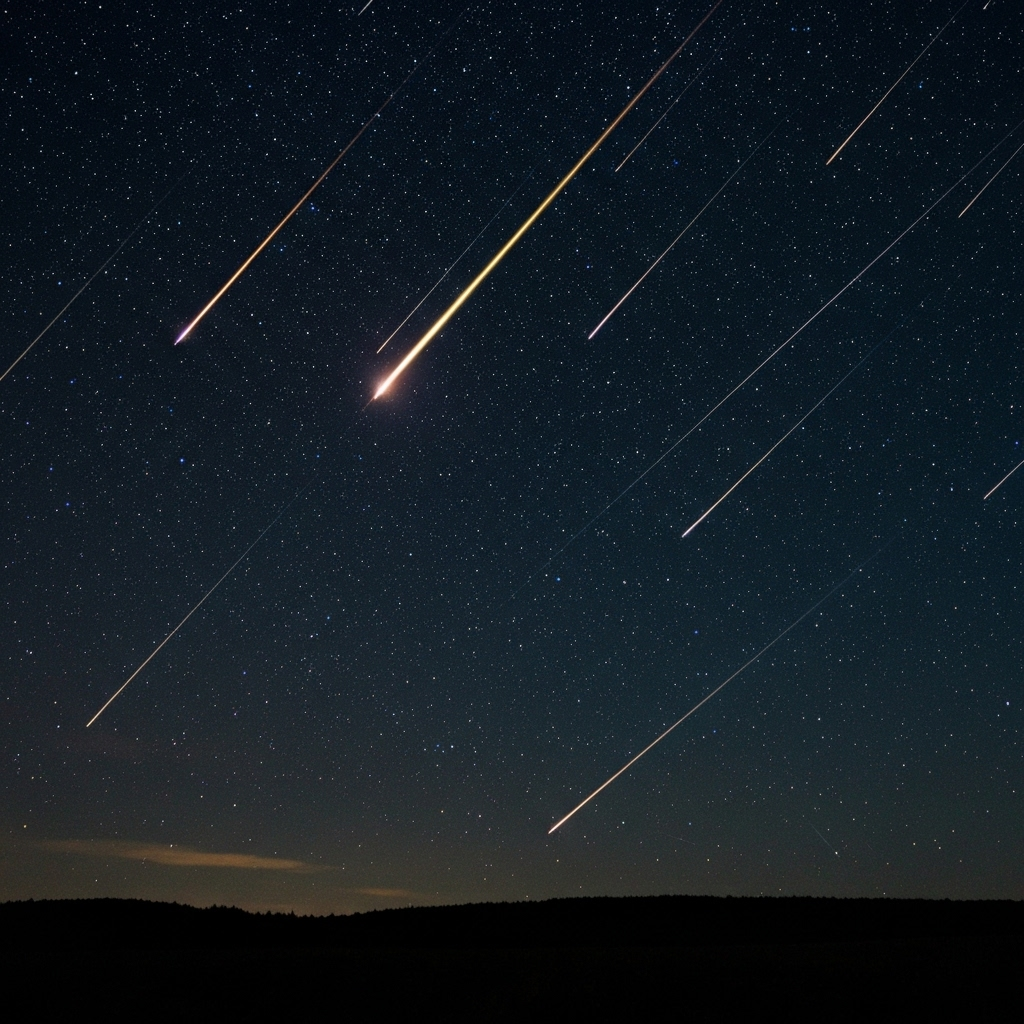
Why the Perseids remain the default meteor-shower target
The Perseids are still the most dependable mainstream meteor-shower topic because they combine recognizable branding, strong annual search demand, and a high chance that readers will actually travel for them.
What matters most in August 2026
Peak dates are important, but moon conditions and weather will decide whether the Perseids are truly worth the effort in your area. That is especially relevant in 2026, when other major August astronomy events will compete for attention.
- Check the peak night first, then compare surrounding nights.
- Pay attention to moonrise and moonset, not just illumination percentage.
- Choose a wide dark-sky composition unless you have a specific foreground target.
Camera settings that still work
Meteor photography still comes down to a wide, fast lens, high ISO, and repeated exposures. The difference between average and strong results is often more about location and persistence than about changing gear.
Why this post should link with eclipse coverage
Because the 2026 total solar eclipse also happens in August, this article becomes part of a broader seasonal cluster. That gives the blog a stronger August topical footprint than a single event page alone.
Related Guides
Plan the Perseids with dark-sky and moon context
Use Solora to decide which August night actually gives you the best chance at meteor photos.
Download Solora App